25 Easy DIY Home Improvement Projects That Add Value in 2026


DIY home improvement projects are more popular than ever heading into 2026, and it's not hard to see why. Between rising labor costs and a growing appetite for personalizing your own space, more homeowners are picking up a drill and tackling projects themselves instead of automatically calling a contractor.
The appeal goes beyond just saving money, though that's certainly part of it. Taking on a project yourself means you learn practical skills, you get to make decisions that reflect your own taste, and there's a real sense of pride in looking at something in your home and knowing you built or fixed it yourself.
This article covers 25 easy DIY home improvement projects, ranging from beginner-friendly weekend tasks to slightly more involved intermediate projects. Whether you're new to DIY or you've already got a few projects under your belt, there's something here you can realistically tackle without the need to hire outside help.
Why DIY Home Improvement Is Worth It
Before jumping into the project list, it's worth understanding what makes DIY home projects such a smart investment of your time.
Save money
Labor typically makes up a large portion of any home improvement project's total cost. Doing the work yourself can cut your total spending significantly, especially on smaller, more manageable projects.
Learn new skills
Every project you complete builds practical knowledge you can apply to future projects, making each one a little faster and less intimidating than the last.
Personalize your home
DIY projects give you full control over the details, from paint colors to hardware finishes, so your home ends up reflecting your own style rather than a contractor's default choices.
Improve functionality
Many of these projects solve real, everyday annoyances, better storage, better lighting, better organization, that make your home more livable day to day.
Increase resale appeal
Small, well-executed updates can meaningfully boost how a home shows to potential buyers, which matters if you're planning to increase home value before selling.
Enhance energy efficiency
Several of the projects on this list, like weather stripping and smart thermostats, can lower your utility bills while making your home more comfortable year-round.
Tools You'll Need Before You Start
Having the right tools on hand before you begin makes every project on this list go more smoothly. Here's a solid starter toolkit that covers the vast majority of beginner and intermediate DIY projects.
A tape measure is essential for almost every project on this list, from hanging shelves to measuring for a backsplash. A drill with a variety of bits handles everything from driving screws to hanging hardware. A basic set of screwdrivers, both flathead and Phillips, covers the jobs where a drill is overkill. A hammer is a must for anything involving nails or light demolition work.
Paint brushes and rollers are necessary for the numerous painting projects throughout this list, and it's worth investing in decent-quality ones since cheap brushes tend to leave streaks. A utility knife comes in handy for everything from opening packaging to trimming peel-and-stick materials cleanly. A level ensures shelves, artwork, and fixtures actually hang straight, which matters more than most beginners expect.
Don't skip the safety gear either. Safety goggles protect your eyes during any project involving cutting, drilling, or sanding, and work gloves protect your hands during everything from gardening to handling rough materials. With this basic toolkit assembled, you'll be ready to tackle nearly every project below.
25 Easy DIY Home Improvement Projects to Try in 2026
1. Paint Interior Walls
Estimated cost runs low to moderate depending on room size and paint quality, typically completed in a single weekend, with a beginner-friendly difficulty level.
You'll need paint, rollers, brushes, painter's tape, and drop cloths. Fresh paint is one of the highest-impact, lowest-cost updates you can make, instantly refreshing a room and appealing to a broad range of tastes when you stick to neutral colors.
Beginner tip: apply painter's tape carefully along trim and edges, and don't rush the drying time between coats.
2. Refresh Kitchen Cabinets with Paint
This project is a moderate cost, weekend-to-multi-day project with a beginner-to-intermediate difficulty level.
You'll need cabinet-specific paint or primer, sandpaper, brushes or a sprayer, and painter's tape. Repainting cabinets dramatically updates the look of a kitchen without the expense of full replacement, making it one of the best DIY home projects for a kitchen makeover on a budget.
Beginner tip: proper sanding and priming before painting makes the biggest difference in how professional the final result looks.
3. Install Peel-and-Stick Backsplash
This is a low-cost project completed in just a few hours, with a beginner-friendly difficulty level.
You'll need peel-and-stick tile sheets, a utility knife, and a measuring tape.
A backsplash adds visual interest to a kitchen instantly, without the mess or cost of traditional tile installation.
Beginner tip: start in a corner and work outward, and always dry-fit your layout before peeling off the backing.
4. Replace Cabinet Hardware
This is one of the lowest-cost projects on the list, typically completed in an afternoon, with a beginner-friendly difficulty level.
You'll need new knobs or pulls, a drill or screwdriver, and a measuring tape or hardware template. New hardware modernizes cabinets instantly and is one of the most affordable home improvements around.
Beginner tip: use a template or piece of cardboard to keep hole spacing consistent across every cabinet.
5. Upgrade Interior Door Handles
This is a low-cost project, usually finished in an afternoon, with a beginner-friendly difficulty level.
You'll need new door handles or knobs, a screwdriver, and possibly a chisel for adjusting strike plates. Updated door hardware is a small detail that buyers and guests notice, and it's an easy way to bring a cohesive, modern look throughout your home.
Beginner tip: buy handles that match your existing door bore size to avoid extra drilling.
6. Install Floating Shelves
This is a low-to-moderate cost project, completed in a few hours, with a beginner-friendly difficulty level.
You'll need floating shelf kits, a drill, a level, and wall anchors if you're not hitting a stud. Floating shelves add functional storage and display space without the bulk of traditional shelving units.
Beginner tip: always locate studs when possible, and use appropriate anchors for heavier items on drywall.
7. Improve Closet Storage
This is a low-to-moderate cost project, typically completed in a weekend, with a beginner-to-intermediate difficulty level.
You'll need closet organizer kits or shelving, a drill, a level, and a stud finder. Better closet organization is a functional upgrade that makes daily life easier and is consistently appealing to home buyers.
Beginner tip: measure your closet space carefully before buying an organizer kit to avoid returns or awkward gaps.
8. Add Smart Light Switches
This is a moderate-cost project, completed in a few hours, with a beginner-to-intermediate difficulty level, since it involves basic electrical work.
You'll need smart switches, a screwdriver, and a voltage tester. Smart light switches are one of the easiest smart home devices to install and add convenience along with a modern touch.
Beginner tip: always turn off power at the breaker and confirm it's off with a voltage tester before starting.
9. Replace Old Light Fixtures
This is a low-to-moderate cost project, completed in a few hours per fixture, with an intermediate difficulty level.
You'll need a new fixture, a screwdriver, a voltage tester, and wire connectors. Updated light fixtures modernize a room quickly and are one of the most noticeable home improvement ideas for the cost involved.
Beginner tip: take a photo of your existing wiring before disconnecting anything, so you have a reference during installation.
10. Install LED Lighting
This is a low-cost project, completed in an afternoon, with a beginner-friendly difficulty level.
You'll need LED bulbs or strip lighting, and possibly a dimmer switch if upgrading fixtures. LED lighting improves energy efficiency and can transform the ambiance of a room, particularly under-cabinet or accent lighting.
Beginner tip: check color temperature ratings before buying, since "daylight" and "warm white" bulbs create very different moods.
11. Upgrade Bathroom Fixtures
This is a low-to-moderate cost project, completed in a few hours, with a beginner-to-intermediate difficulty level.
You'll need new faucets, showerheads, or towel bars, along with a wrench and plumber's tape. New bathroom fixtures are one of the most cost-effective bathroom upgrades, instantly making the space feel more modern and well maintained.
Beginner tip: take photos and note the model numbers of your existing fixtures to ensure compatible replacements.
12. Re-Caulk Bathroom and Kitchen Areas
This is a very low-cost project, completed in an afternoon, with a beginner-friendly difficulty level.
You'll need caulk, a caulking gun, a utility knife, and painter's tape for clean lines. Fresh caulking around tubs, sinks, and countertops prevents water damage and instantly makes these areas look cleaner and better maintained.
Beginner tip: fully remove old, cracked caulk before applying new caulk for a longer-lasting seal.
13. Install Weather Stripping Around Doors
This is a very low-cost project, completed in under an hour per door, with a beginner-friendly difficulty level.
You'll need weather stripping material, a utility knife, and a tape measure. This small energy efficiency upgrade reduces drafts and can noticeably lower heating and cooling costs over time.
Beginner tip: measure twice before cutting, since weather stripping needs a snug fit to seal properly.
14. Paint the Front Door
This is a low-cost project, completed in a single afternoon, with a beginner-friendly difficulty level.
You'll need exterior paint, brushes, painter's tape, and sandpaper for prep work. A freshly painted front door is one of the highest-impact curb appeal projects available, often cited as a strong return on investment relative to its low cost.
Beginner tip: remove the door from its hinges if possible for a smoother, more even paint job.
15. Upgrade House Numbers and Mailbox
This is a low-cost project, completed in an afternoon, with a beginner-friendly difficulty level.
You'll need new house numbers, a mailbox or mailbox paint, a drill, and basic mounting hardware. This small detail improves curb appeal and gives your home's exterior a more polished, cohesive look.
Beginner tip: choose a font and finish that complements your home's existing exterior style.
16. Pressure Wash Exterior Surfaces
This is a low-cost project if you rent equipment, completed in a weekend, with a beginner-friendly difficulty level.
You'll need a pressure washer, appropriate cleaning solution, and safety goggles. Pressure washing siding, driveways, and walkways instantly brightens your home's exterior and is one of the most underrated affordable home improvements for boosting curb appeal.
Beginner tip: use a wide-angle nozzle and keep the spray moving to avoid damaging surfaces.
17. Create a Mulched Garden Bed
This is a low-cost project, completed in a weekend, with a beginner-friendly difficulty level.
You'll need mulch, edging material, a shovel, and work gloves. A well-defined, mulched garden bed instantly improves landscaping and gives flower beds a clean, intentional look.
Beginner tip: lay down landscape fabric before mulching to help suppress weeds long term.
18. Plant Low-Maintenance Landscaping
This is a low-to-moderate cost project, completed over a weekend, with a beginner-friendly difficulty level.
You'll need native or drought-tolerant plants, a shovel, and soil amendments as needed. Low-maintenance landscaping improves curb appeal without requiring ongoing intensive care, which is appealing to both current homeowners and future buyers.
Beginner tip: choose plants suited to your specific climate zone for the best long-term results with minimal upkeep.
19. Build a Simple Raised Garden Bed
This is a low-to-moderate cost project, completed in a weekend, with a beginner-to-intermediate difficulty level.
You'll need untreated lumber or a kit, screws, a drill, and soil. A raised garden bed adds functional outdoor space for growing vegetables or flowers and is a satisfying beginner carpentry project.
Beginner tip: use rot-resistant wood like cedar to extend the lifespan of your raised bed.
20. Install Outdoor Solar Lights
This is a low-cost project, completed in an afternoon, with a beginner-friendly difficulty level.
You'll need solar path lights or fixtures and basic installation hardware, usually just stakes for ground models. Solar lighting improves both curb appeal and nighttime safety without adding to your electric bill.
Beginner tip: place lights in areas that get consistent direct sunlight during the day for the best nighttime performance.
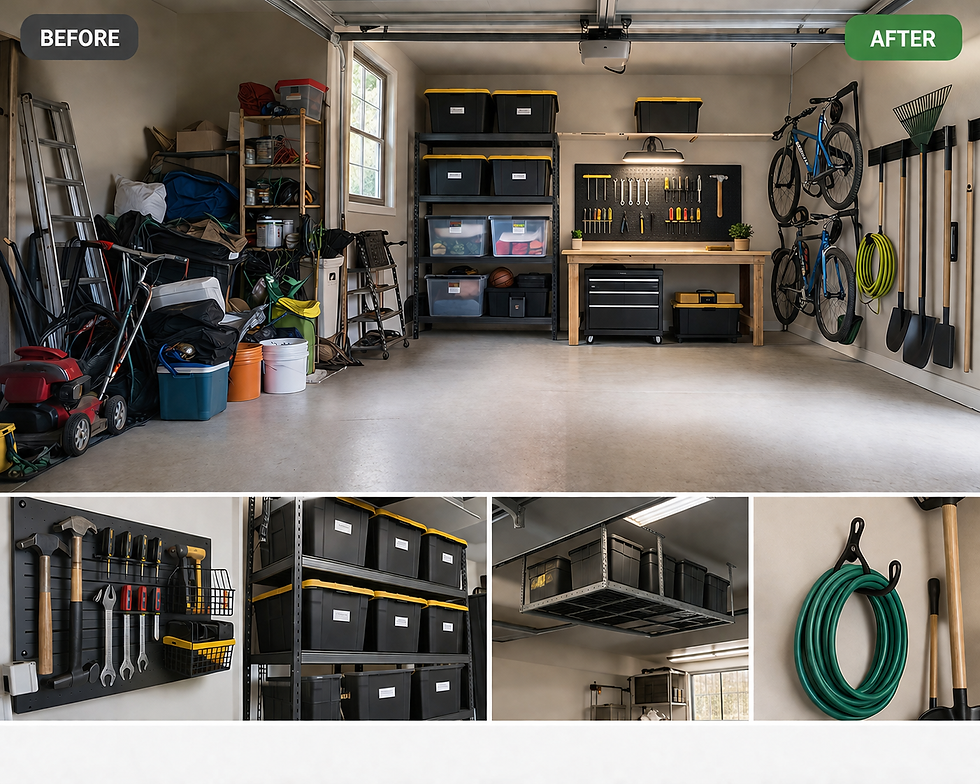
21. Add Garage Storage Shelving
This is a low-to-moderate cost project, completed in a weekend, with a beginner-friendly difficulty level.
You'll need shelving units or brackets, a drill, a level, and a stud finder. Better garage storage solutions improve functionality and make a commonly cluttered space far more usable.
Beginner tip: mount heavier shelving directly into wall studs rather than relying on drywall anchors alone.
22. Organize a Laundry Room
This is a low-to-moderate cost project, completed in a weekend, with a beginner-friendly difficulty level.
You'll need shelving, storage bins, and possibly a folding countertop or hanging rod. An organized laundry room improves daily functionality and is a small but noticeable detail for potential buyers.
Beginner tip: group items by category, cleaning supplies, linens, and detergents, to keep the space intuitive to use.
23. Install a Smart Thermostat
This is a moderate-cost project, completed in about an hour, with a beginner-to-intermediate difficulty level.
You'll need a smart thermostat, a screwdriver, and a voltage tester. A smart thermostat improves energy efficiency by learning your schedule and adjusting temperatures automatically, which can meaningfully lower utility bills over time.
Beginner tip: take a photo of your existing wiring before removing your old thermostat to make installation easier.
24. Replace Worn Faucets
This is a low-to-moderate cost project, completed in a few hours, with an intermediate difficulty level.
You'll need a new faucet, an adjustable wrench, plumber's tape, and a bucket for any residual water. New faucets instantly modernize a kitchen or bathroom and address one of the most common sources of wear buyers notice during a walkthrough.
Beginner tip: shut off the water supply valves under the sink before beginning any faucet replacement.
25. Create an Entryway Organization Station
This is a low-cost project, completed in a weekend, with a beginner-friendly difficulty level.
You'll need hooks, a bench or shelf, a drill, and a level. An organized entryway with hooks and storage for shoes, bags, and keys improves daily functionality and creates a welcoming first impression for guests.
Beginner tip: mount hooks at a height that works for every member of the household, including kids if applicable.
Which DIY Projects Offer the Highest Return on Investment?
Not every project on this list delivers the same return, so it helps to know where your time and money go furthest if increasing home value is a priority.
Painting projects, particularly interior walls and the front door, consistently rank among the highest ROI home improvements you can make, thanks to their low material cost and dramatic visual impact.
Landscaping projects, like mulched garden beds and low-maintenance plantings, follow closely behind, since curb appeal has an outsized influence on a buyer's first impression relative to what it costs to achieve.
Kitchen updates, including cabinet hardware replacement, painted cabinets, and a peel-and-stick backsplash, offer strong returns because kitchens are one of the first spaces buyers scrutinize, and these updates modernize the space without the cost of a full remodel.
Bathroom improvements, like new fixtures and fresh caulking, work similarly, delivering a noticeably updated feel for a relatively small investment.
Lighting upgrades round out the list of especially strong performers. Replacing outdated fixtures, adding LED lighting, and installing smart switches all improve both the look and functionality of a home at a fairly low cost, making them easy wins whether you're improving your home for yourself or preparing to sell.
Generally, the projects offering the best return tend to share three traits: low material cost, high visual impact, and broad buyer appeal, meaning they look good to nearly anyone walking through the door, not just people with a specific taste.
DIY Safety Tips
No home improvement project is worth an injury, so keep these safety basics in mind no matter which project you tackle.
· Wear protective equipment. Safety goggles, work gloves, and a dust mask when needed protect you from the most common minor injuries during cutting, sanding, or painting work.
· Turn off electricity before electrical work. Always shut off power at the breaker, and confirm it's off with a voltage tester, before touching any wiring, switches, or fixtures.
· Read manufacturer instructions. Every tool and material has specific guidance for safe use, and skipping the instructions is one of the most common ways beginners run into avoidable problems.
· Use ladders safely. Keep three points of contact at all times, avoid overreaching, and make sure your ladder is on stable, level ground before climbing.
· Know when to hire a professional. Major electrical work, gas line changes, structural modifications, and anything involving your home's foundation are worth leaving to a licensed professional, regardless of how confident you feel.
Common DIY Mistakes to Avoid
A few recurring mistakes trip up even enthusiastic DIYers. Knowing about them ahead of time can save you a lot of frustration, wasted materials, and wasted time.
Skipping measurements
Rushing past careful measuring is one of the most common reasons DIY projects don't fit or line up properly. Measure twice, and don't eyeball anything you can measure instead.
Buying poor-quality materials
Cutting corners on materials, like cheap paint or low-quality hardware, often costs more in the long run through poor durability or a subpar finished look.
Ignoring building codes
Some projects, particularly electrical and plumbing work, are subject to local codes and permit requirements. Ignoring these can create safety issues and complications if you sell your home later.
Rushing projects
Trying to finish too quickly, especially with painting or anything involving drying or curing time, usually leads to a lower-quality result than taking the recommended time.
Using incorrect tools
Using the wrong tool for a job can damage materials, produce poor results, or create a safety hazard. It's worth taking the time to use, or borrow, the right tool rather than improvising with what's on hand.
Taking on projects beyond your skill level
It's fine to challenge yourself, but major electrical, plumbing, or structural projects carry real risk if attempted without adequate experience. When in doubt, start smaller and build your skills gradually.
Frequently Asked Questions (FAQs)
What DIY projects add the most value to a home?
Painting, both interior walls and the front door, along with kitchen hardware updates, bathroom fixture replacements, and landscaping improvements, tend to add the most value relative to their cost, since they combine low investment with high visual impact.
Which home improvements are easiest for beginners?
Projects like painting, replacing cabinet hardware, installing floating shelves, and re-caulking bathroom or kitchen areas are among the easiest for beginners, since they require minimal specialized tools or experience.
How much can DIY home improvements save?
Savings vary by project, but since labor typically makes up a significant portion of total project cost, doing the work yourself can often cut total spending substantially compared to hiring a professional for the same job.
What tools should every homeowner own?
A basic toolkit including a tape measure, drill, screwdrivers, hammer, level, utility knife, and safety gear like goggles and work gloves covers the vast majority of common home improvement projects.
Which DIY projects should be left to professionals?
Major electrical work, gas line modifications, structural changes, and anything involving your home's foundation should generally be left to licensed professionals, both for safety reasons and to ensure the work meets local building codes.
Conclusion
You don't need to be a seasoned contractor to make meaningful improvements to your home. Starting with simple, budget-friendly projects, like fresh paint, updated hardware, and better lighting, lets you build confidence and skills while immediately improving your home's comfort and appeal. Focus on projects that increase both functionality and home value, use the right tools for the job, and always prioritize safety over speed.
As your skills grow, you can gradually take on more involved projects, but there's no need to rush. Pick one project from this list that fits your weekend and your budget, gather your tools, and get started. There's a real sense of satisfaction in stepping back at the end of the day and seeing exactly what you accomplished, knowing it added lasting value to your home in the process.


Comments