Top Home Renovations That Increase Property Value Before You Sell


Ever wonder why some homes fly off the market in a week while others sit for months with price cuts? A lot of it comes down to what the sellers did before they ever listed the place. Homes that show well and feel updated tend to sell faster and pull in higher offers, plain and simple.
That's why so many homeowners look for ways to increase property value before they put up the "for sale" sign. The tricky part is that not every dollar you spend comes back to you. Some projects pay for themselves and then some, while others barely make a dent in your final sale price. In this guide, we'll walk through the top home renovations that increase property value, plus a few that tend to disappoint, so you can spend your renovation budget where it actually counts.
Why Home Renovations Matter Before Selling
First impressions happen fast. A buyer typically decides how they feel about a home within the first few minutes of walking through the door, sometimes even before they get out of the car. If the place looks tired or dated, that impression is hard to shake, even if the bones of the house are solid.
Today's buyers also come in with higher expectations than they used to. They've spent hours scrolling through listing photos online, and they're comparing your home against dozens of others that already have updated kitchens, fresh paint, and modern fixtures. Homes that meet those expectations tend to sell faster, attract more competitive offers, and avoid the dreaded price reduction a few weeks into the listing.
This is where return on investment, or ROI, comes into play. Smart home improvements that add value aren't about spending as much as possible. They're about spending in the right places so the money you put in actually shows up in your final sale price, and ideally exceeds it.
Top Home Renovations That Increase Property Value
1. Renovate Your Kitchen for Maximum ROI
The kitchen is often called the heart of the home, and buyers treat it that way too. But here's something a lot of people get wrong: a full kitchen remodel and a minor kitchen refresh are not the same investment. According to Remodeling Magazine's Cost vs. Value Report, a minor kitchen remodel routinely recoups well over 100% of its cost, while a major, high-end overhaul typically returns closer to half of what you spend.
So, what counts as a smart kitchen remodel? Focus on the details buyers actually notice:
• Refacing or repainting cabinets instead of replacing them entirely
• Installing new countertops in a neutral, durable material
• Swapping in modern, mid-range appliances
• Updating lighting fixtures for a brighter, more contemporary feel
• Adding a fresh backsplash for a quick visual upgrade
The lesson here is simple. A tasteful, minor kitchen remodel that keeps the existing layout almost always beats a gut renovation when it comes to resale value.
2. Upgrade Bathrooms to Attract Buyers
Bathrooms are the second room buyers judge most harshly, and a bathroom remodel with strong ROI doesn't require a total gut job. Small, targeted updates go a long way.
Consider these upgrades:
• New faucets, showerheads, and hardware
• A modern vanity to replace anything dated or worn
• A walk-in shower, which appeals to a wide range of buyers, including aging homeowners
• Fresh tile in the shower or on the floor
• Better lighting around the mirror and vanity
• Improved ventilation to cut down on moisture and mold
A mid-range bathroom renovation tends to recoup a healthy share of its resale cost, especially when it gives the space a clean, spa-like feel without going overboard on luxury finishes.
3. Boost Curb Appeal
If you only have a small budget to work with, put it toward curb appeal. Exterior improvements consistently rank among the highest-ROI projects a homeowner can make, and it's not close. Buyers form an opinion of your home before they even step inside, so the exterior needs to sell them first.
Here's where to focus:
• Basic lawn care, including mowing, edging, and reseeding bare patches
• A fresh coat of exterior paint, especially around trim and the front door
• Replacing the front door itself, which is one of the most cost-effective upgrades available
• Adding outdoor lighting along walkways and near the entrance
• Repairing cracks or stains in the driveway
• Simple garden improvements like mulch, trimmed hedges, and seasonal flowers
These are relatively affordable projects, and they consistently deliver some of the strongest returns you'll find anywhere on this list.
4. Refresh Walls with Neutral Paint
Fresh paint might be the single best value-for-money project in this entire article. It's inexpensive, it's fast, and it makes a home feel clean and move-in ready almost instantly.
Buyers respond well to neutral colors because they can picture their own furniture and style in the space. Bold or highly personal color choices, on the other hand, can actually work against you since they force buyers to imagine repainting before they even move in.
Stick with soft whites, warm grays, and gentle beiges throughout the main living areas.
Given how little it costs compared to what it does for a home's overall feel, fresh paint offers one of the best cost-to-return ratios of any home improvement project you can tackle.
5. Replace or Upgrade Flooring
Worn carpet, scratched hardwood, or dated tile can quietly drag down how buyers perceive an entire home, even if everything else looks great. Flooring upgrades are one of those improvements that don't always get the spotlight, but they matter more than people realize.
A few flooring options worth considering:
• Refinishing existing hardwood floors, which tends to deliver a strong return since it revives what's already there
• Installing luxury vinyl plank, a durable and budget-friendly option that mimics wood or stone
• Updating tile in kitchens and bathrooms
• Replacing worn or stained carpet in bedrooms
• A deep professional cleaning if the flooring itself is in decent shape but just looks tired
Even something as simple as refinishing the floors you already have can make a noticeable difference in how polished a home feels.
6. Improve Energy Efficiency
Energy-efficient home improvements have become a real selling point, especially as utility costs stay top of mind for a lot of buyers. Nobody wants to inherit a drafty house with a sky-high power bill.
Worthwhile projects here include:
• Replacing old, single-pane windows with energy-efficient models
• Adding or upgrading insulation in the attic and walls
• Installing a smart thermostat
• Swapping standard bulbs for LED lighting throughout the home
• Considering solar panels if your local market and climate support it
Beyond helping you sell your home fast, these upgrades lower utility bills while you're still living there, so you get some benefit even before the home sells.
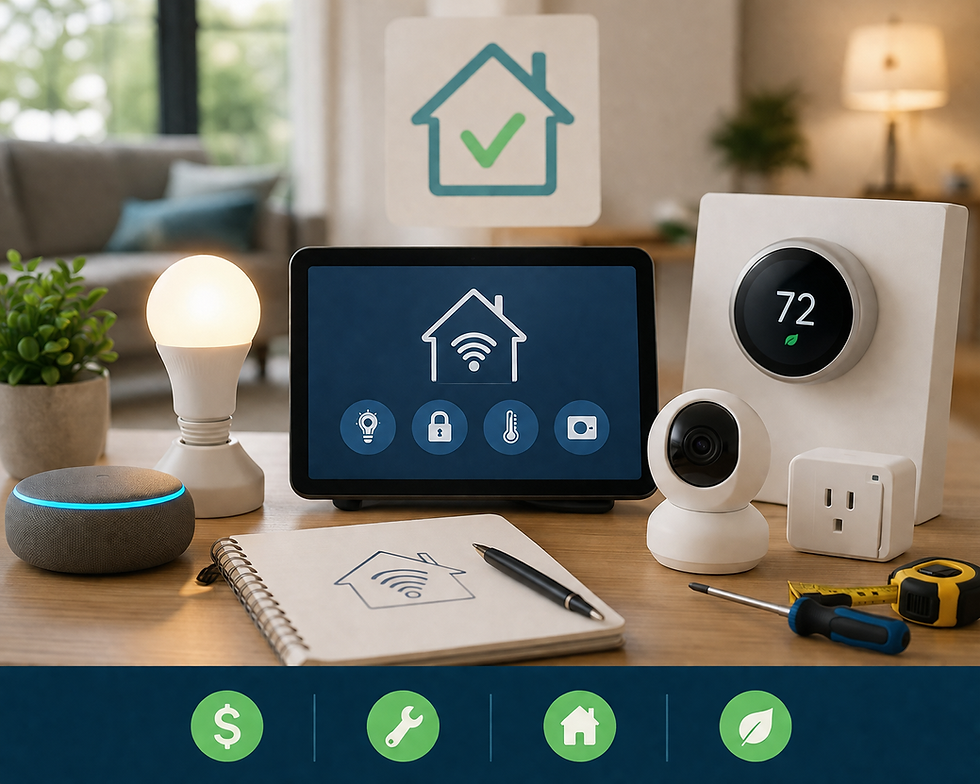
7. Add Smart Home Features
Smart home features have gone from a novelty to something a lot of buyers actively look for, especially younger ones. The good news is that most of these upgrades are affordable and easy to install.
Popular additions include:
• Smart locks for keyless entry
• Video doorbells for added security and convenience
• A basic smart security system
• Smart lighting that can be controlled remotely
• Smart thermostats, which double as an energy-efficiency upgrade
These features signal a modern, well-maintained home without requiring a big renovation budget.
8. Repair Major Structural Issues
Before you get to any of the cosmetic upgrades on this list, take care of anything that could show up on a home inspection and scare off a buyer. Structural and mechanical problems don't just fail to add value; they actively subtract from it, and they can derail a sale entirely if they surface during inspection.
Key areas to check:
• Roofing, since a roof nearing the end of its life is a major red flag for buyers
• Plumbing issues like leaks, low water pressure, or outdated pipes
• Electrical systems that don't meet current safety standards
• Foundation cracks or settling
• Servicing the HVAC system so it's running efficiently
Think of these as defensive investments. They may not add flashy value on their own, but skipping them can tank your sale price or scare buyers away entirely.
9. Declutter and Stage Your Home
Not every improvement involves construction. Home staging is one of the most cost-effective ways to prepare your home for sale, and it costs a fraction of what a renovation does.
Start with the basics:
• Remove clutter from every room, including closets and garages
• Rearrange furniture to open up walking paths and highlight each room's purpose
• Deep clean everything, from baseboards to windows
• Consider hiring a professional stager for key rooms like the living room and primary bedroom
• Invest in quality photography, since most buyers see your home online before they ever see it in person
A well-staged, decluttered home photographs better, feels more spacious, and helps buyers picture themselves living there.
Renovations That Usually Don't Pay Off
Not every upgrade is worth your time or money. Some home renovations to avoid before selling include:
• Ultra-luxury finishes that don't match the rest of the neighborhood
• Swimming pools, which can actually turn off some buyers due to maintenance and safety concerns
• Highly customized interiors that reflect your personal taste rather than broad appeal
• Renovating your home well beyond what similar homes in the area are worth
• High-end technology or features with limited buyer demand
The rule of thumb is to avoid over-improving for your neighborhood. If your home ends up priced far above everything around it, buyers shopping in that price range will expect a completely different neighborhood, not just a nicer house.
Budget-Friendly Renovations with High ROI
If your budget is tight, focus on the small stuff. These affordable home improvements consistently punch above their weight:
• Fresh paint, inside and out
• Basic landscaping and yard cleanup
• New fixtures in the kitchen and bathrooms
• Updated cabinet hardware
• Modern light fixtures
• Pressure washing the exterior, driveway, and walkways
None of these require a big budget, and together they can transform how a home feels without a major financial commitment.
Frequently Asked Questions
Which renovation adds the most value to a home?
Exterior projects tend to top the list. Garage door replacements and steel entry door upgrades are consistently among the highest-ROI projects a homeowner can make, often returning more than their original cost.
Is it worth remodeling before selling?
It depends on the project. Minor kitchen and bathroom updates, curb appeal work, and fresh paint tend to pay off. Major, high-end remodels usually return less than what you put in, so they're worth it mainly if you plan to enjoy them yourself before selling.
What renovations have the highest ROI?
Exterior upgrades like garage doors, entry doors, and landscaping consistently rank at the top, followed by minor kitchen remodels and refinishing existing hardwood floors.
How much should I spend renovating before selling?
A good rule of thumb is to keep any single project well under your home's overall value, and to avoid spending so much that your home is priced far above comparable homes nearby.
Should I renovate the kitchen or bathroom first?
If you can only tackle one, start with the kitchen. It tends to influence buyer decisions more heavily, though a bathroom refresh is a close second and often costs less to complete.
Final Thoughts
If you take one thing away from this guide, let it be this: focus on high-ROI renovations rather than the projects that simply look impressive. Prioritize kitchens, bathrooms, and curb appeal first, since these areas consistently deliver the strongest returns. Make cost-effective upgrades wherever you can, and resist the urge to over-improve beyond what your neighborhood supports.
Before you list, take a walk through your home as if you were a buyer seeing it for the first time. Note what needs attention, prioritize the improvements most likely to pay off, and don't be afraid to bring in a local real estate professional who knows your market. A little planning now can make a real difference in how quickly your home sells, and for how much.
Comments