12 Healthy Habits That Can Improve Your Physical Fitness and Overall Well-Being


Getting fit isn't only about how often you work out. Healthy habits for physical fitness go far beyond the gym, touching everything from what you eat to how well you sleep at night. Small, consistent choices often matter more than any single intense workout.
Fitness is shaped by a wider set of daily habits than most people realize. Nutrition, sleep, hydration, and mental well-being all interact with your physical activity, either supporting your progress or quietly holding it back. That's why daily healthy habits for better fitness tend to outperform occasional bursts of extreme effort.
In this blog, you'll learn 12 practical habits that support both physical fitness and overall well-being, along with common pitfalls to avoid, tips for building habits that actually stick, and a sample daily routine you can adapt to your own life.
Why Healthy Habits Matter for Long-Term Fitness
Healthy habits for physical fitness create the consistency that produces lasting results. A single great workout or one healthy meal won't transform your fitness, but repeating small, positive choices day after day will.
Here's why building these habits matters so much:
Building consistency. Habits remove the need to rely on motivation alone, which naturally fluctuates from day to day.
Supporting overall health. Fitness connects closely to broader health outcomes, including heart health, energy, and mental well-being.
Improving daily energy. Good sleep, hydration, and nutrition all directly affect how much energy you have for movement and daily life.
Reducing the risk of lifestyle-related health conditions. Sustainable, healthy habits support long-term physical health in ways that occasional intense effort can't replicate.
Making fitness goals more sustainable. Habits built gradually tend to last far longer than dramatic changes attempted all at once.
Healthy lifestyle habits work together as a system. Improving one area, like sleep, often makes it easier to succeed in another, like exercise consistency.
12 Healthy Habits That Can Improve Your Physical Fitness
These 12 habits cover the full picture of physical fitness, not just exercise. Consider starting with just one or two, rather than trying to adopt all twelve at once.
1. Stay Physically Active Every Day
Daily physical activity doesn't need to mean a structured workout every single day. Movement in general, spread throughout your day, contributes meaningfully to your overall fitness.
Simple ways to build in daily activity include:
Walking, even in short bursts throughout the day
Cycling for transportation or recreation
Stretching during breaks
Recreational activities like sports or dancing
Reducing long stretches of sedentary time
The goal is consistent movement, not perfection. Some days will include a full workout, while others might just involve a walk, and both contribute to the bigger picture.
2. Eat a Balanced and Nutritious Diet
Nutrition fuels every part of your physical fitness, from workout performance to recovery. A balanced diet for fitness generally includes a variety of whole foods rather than relying heavily on processed options.
Key components of a balanced diet include:
Fruits and vegetables, which provide vitamins, minerals, and fiber.
Lean protein, which supports muscle repair and growth.
Whole grains, which offer sustained energy throughout the day.
Healthy fats, which support overall health and hormone function.
Portion awareness, since even healthy foods can work against your goals in excessive amounts.
Rather than following restrictive rules, aim for a pattern of eating that includes a variety of nutritious and high-protein foods most of the time.
3. Drink Enough Water
Hydration directly supports physical performance, since even mild dehydration can affect energy, endurance, and focus during exercise. Staying properly hydrated is one of the simplest healthy habits to build, yet it's often overlooked.
Signs of dehydration to watch for include:
Fatigue or low energy
Headaches
Dark yellow urine
Dry mouth
Difficulty concentrating
Practical ways to drink more water include keeping a water bottle within reach, drinking a glass with each meal, and setting reminders throughout the day if you tend to forget. Individual hydration needs vary based on activity level, climate, and overall health, so pay attention to your own signals rather than following a rigid formula.
4. Prioritize Quality Sleep
Sleep plays a central role in physical fitness, since your body repairs muscle tissue and restores energy primarily during rest. According to the Centers for Disease Control and Prevention (CDC), adults need at least 7 hours of sleep per night to support optimal health and well-being.
Quality sleep supports:
Recovery, allowing your body to repair itself after physical activity.
Muscle repair, which happens largely during deep sleep stages.
Energy, since insufficient sleep reduces motivation and physical performance the next day.
Exercise performance, as poor sleep can reduce strength, endurance, and coordination.
A consistent sleep schedule, going to bed and waking up around the same time each day, tends to support better sleep quality than an irregular pattern, even if total hours stay the same.
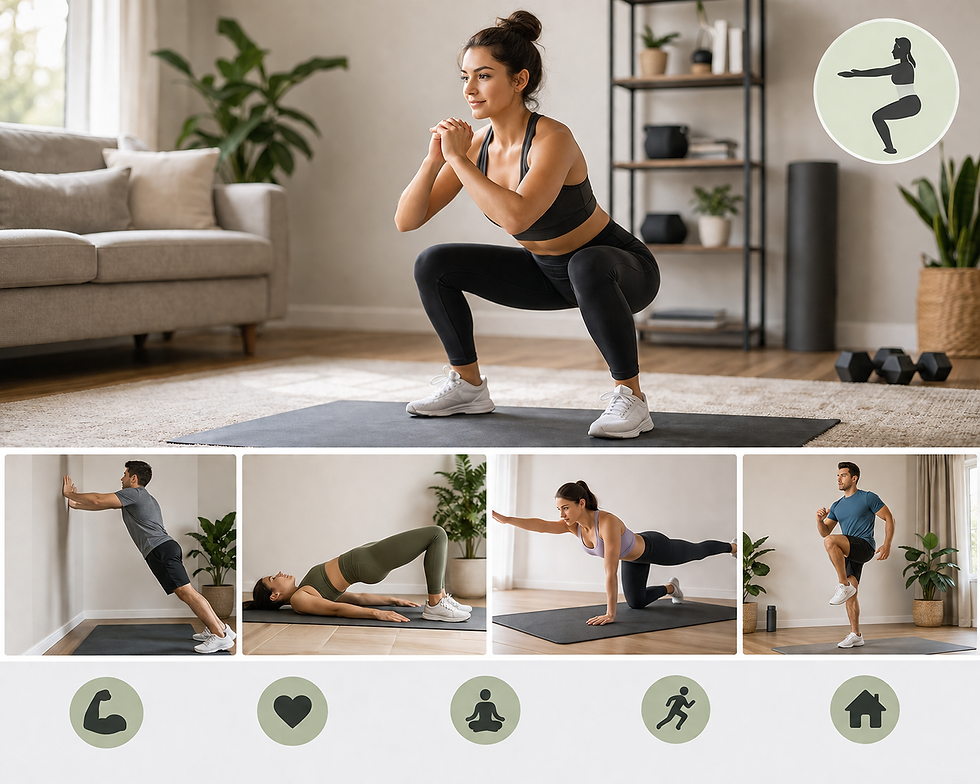
5. Include Strength Training
Strength training benefits go well beyond visible muscle. It supports bone health, functional movement, and the strength you rely on for everyday tasks.
Beginner strength training can start simply, using:
Bodyweight exercises like squats and push-ups
Resistance bands
Dumbbells
Household items as makeshift weights
Progressive improvement, gradually increasing repetitions, resistance, or difficulty over time, is what drives long-term strength gains. You don't need to start heavy. You need to start consistently.
6. Add Cardio Exercise
Cardio exercise benefits your heart, lungs, and overall endurance. It's one of the most direct ways to support cardiovascular fitness and heart health within your weekly routine.
Popular cardio options include:
Walking
Running
Swimming
Cycling
Dancing
Choose activities you actually enjoy, since sustainable cardio habits depend far more on consistency than on any single "best" activity.
7. Stretch and Improve Mobility
A daily stretching routine supports flexibility, joint mobility, and overall movement quality. Mobility work often gets skipped, but it plays a meaningful role in how your body feels and performs.
Benefits of regular mobility exercises include:
Improved flexibility, which can support better range of motion during other activities.
Joint mobility, helping joints move comfortably through their full range.
Better recovery, since gentle movement can support blood flow after exercise.
Improved movement quality, making daily activities feel easier and more comfortable.
Even 5 to 10 minutes of stretching a few times a week can make a noticeable difference over time.
8. Manage Stress Effectively
Stress management habits directly affect physical fitness, since chronic stress can interfere with sleep, motivation, and even physical recovery. Healthy stress relief supports both your mental and physical well-being.
Here are some of the effective stress management techniques:
Deep breathing exercises
Meditation
Spending time outdoors
Relaxation techniques, like progressive muscle relaxation
Engaging in hobbies you genuinely enjoy
Managing stress isn't a luxury add-on to a fitness routine. It's a core part of supporting the consistency and recovery your body needs.
9. Reduce Sedentary Time
Reducing sitting time matters even if you already exercise regularly. Long stretches of inactivity can affect your health independently of how much structured exercise you get.
The following are simple ways to build a more active lifestyle throughout the day:
Taking standing breaks during long periods of sitting
Suggesting walking meetings when appropriate
Choosing active commuting options, like walking or cycling part of the way
Staying active during household activities, like cleaning or yard work
Small interruptions to sitting time, spread throughout your day, add up more than most people expect.
10. Set Realistic Fitness Goals
Realistic fitness goals give your habits direction and make progress easier to recognize. Vague intentions are hard to act on, while specific, achievable goals create clear next steps.
Consider using SMART goals, meaning goals that are Specific, Measurable, Achievable, Relevant, and Time-bound. For example, "exercise for 20 minutes, three times a week" is far easier to act on than "get fit."
Tracking progress and celebrating milestones, even small ones, helps reinforce the habits you're building and keeps motivation more consistent over time.
11. Stay Consistent Instead of Perfect
Fitness consistency matters more than occasional perfect execution. Healthy daily habits build up gradually, and missing a day here or there doesn't erase your progress.
Here are helpful strategies for building consistency:
Building routines around a predictable time or trigger each day.
Habit stacking, attaching a new habit to something you already do reliably, like stretching right after brushing your teeth.
Focusing on long-term success rather than short-term intensity.
Avoiding burnout by allowing flexibility instead of an all-or-nothing mindset.
A routine you can sustain for months will always outperform one that burns you out in weeks.
12. Make Time for Recovery
Exercise recovery is when your body actually adapts and grows stronger, not during the workout itself. Recovery habits deserve just as much attention as your active training days.
Recovery strategies include:
Rest days, which give muscles time to repair.
Active recovery, like gentle walking or light stretching on lower-intensity days.
Foam rolling, which some people find helpful for muscle tension and mobility.
Listening to your body, adjusting intensity based on how you're actually feeling that day.
Skipping recovery consistently can lead to fatigue, reduced performance, and a higher risk of injury over time.
Habits to Avoid
Some habits actively work against physical fitness, even when other parts of your routine are solid. Being aware of these common fitness mistakes helps you avoid undermining your own progress.
Skipping meals. Irregular eating can affect energy levels and make it harder to fuel workouts properly.
Poor sleep. Consistently insufficient sleep undermines recovery, energy, and exercise performance.
Dehydration. Inadequate water intake can reduce physical performance and overall well-being.
Sitting for long periods. Extended inactivity affects health independently of regular exercise habits.
Overtraining. Too much intensity without adequate recovery increases fatigue and injury risk.
Smoking. Smoking negatively affects cardiovascular and respiratory health, both of which are central to physical fitness.
Excessive alcohol intake. Heavy alcohol use can interfere with sleep quality, recovery, and overall health.
Ignoring recovery. Treating rest as optional, rather than essential, often leads to burnout or injury.
How to Build Healthy Habits That Last
Building healthy habits for physical fitness works best as a gradual process rather than an overnight transformation. These practical strategies make new habits more likely to stick.
Start small. A small, manageable change is far easier to maintain than an ambitious overhaul.
Focus on one habit at a time. Trying to change everything at once often leads to overwhelm and early burnout.
Track progress. Keeping a simple record, even informally, helps you notice improvement and stay motivated.
Prepare for setbacks. Expect occasional missed days, and plan to simply resume rather than starting over completely.
Build routines. Attaching new habits to a consistent time or trigger makes them easier to remember and maintain.
Find accountability. A friend, family member, or group can encourage and make habits feel less isolating.
Be patient. Meaningful, lasting change in health and fitness habits usually builds gradually over weeks and months.
Sustainable habit change comes from starting small, focusing on one habit at a time, and staying patient through inevitable setbacks along the way.
Sample Healthy Daily Routine
Here's an example of how several of these habits might fit together across a typical day. Treat this as a flexible template, not a strict requirement.
Time of Day | Activity |
Morning | Hydrate with a glass of water upon waking |
Morning | Eat a healthy breakfast |
Morning | Take a short walk or complete a workout |
Midday | Eat a balanced lunch |
Afternoon | Take a stretch break during the workday |
Afternoon or evening | Engage in an evening activity, like a walk or recreational sport |
Evening | Eat a nutritious dinner |
Night | Follow a screen-free bedtime routine to support quality sleep |
This structure covers physical activity, nutrition, hydration, and sleep across a single day. Adjust the timing and specific activities to match your schedule, preferences, and current fitness level.
Frequently Asked Questions
What are the best healthy habits for physical fitness?
The most impactful habits include regular physical activity, balanced nutrition, adequate hydration, quality sleep, strength training, cardio exercise, stress management, and consistent recovery. Together, these habits support both physical fitness and overall well-being, rather than relying on exercise alone.
How long does it take to build a healthy habit?
Timelines vary significantly from person to person and depend on the specific habit and individual circumstances. Consistency matters more than speed. Repeating a behavior regularly, even imperfectly, tends to build lasting habits over time.
Can small daily habits improve overall health?
Yes. Small, consistent habits accumulate meaningfully over weeks and months, often producing more sustainable results than occasional intense efforts. The cumulative effect of daily choices tends to outweigh the impact of any single action.
What healthy habits improve energy levels?
Quality sleep, proper hydration, balanced nutrition, and regular movement all contribute to steady energy levels throughout the day. Addressing all four areas together tends to produce better results than focusing on just one.
How can beginners start living a healthier lifestyle?
Start with one manageable habit, such as a daily walk or drinking more water, rather than trying to overhaul your entire lifestyle at once. Build additional habits gradually as the first one becomes more automatic.
Is exercise enough to stay healthy?
Exercise is an important piece of overall health, but it works best alongside proper nutrition, adequate sleep, hydration, and stress management. These factors interact closely, and neglecting one area can limit the benefits of the others.
Small Habits, Lasting Fitness
Lasting fitness comes from consistent daily habits, not occasional bursts of intense effort. Nutrition, exercise, sleep, hydration, and stress management all play important, interconnected roles in how your body performs and feels.
Small changes can lead to meaningful long-term improvements, especially when you focus on progress rather than perfection. Building one healthy habit at a time and giving yourself room for setbacks along the way sets you up for success that actually lasts.
If you're ready to get started, choose just one habit from this guide today. Build it into your routine, let it become automatic, and gradually expand from there. That's how daily healthy habits for better fitness turn into a genuinely healthier lifestyle.


Comments