15 High-Protein Foods to Support Muscle Growth and Healthy Weight Management

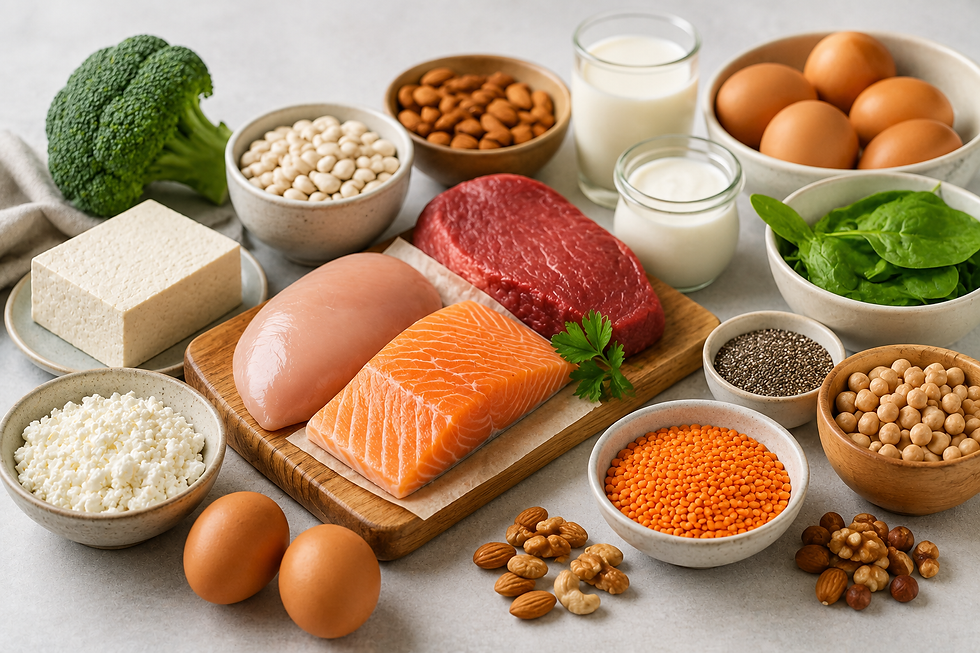
Protein tends to get a lot of attention in the health and fitness world, and for good reason. It's one of the three macronutrients your body relies on every single day, playing a role in everything from building muscle to keeping you feeling full after a meal. Whether you're trying to support strength training, manage your weight, or simply eat a more balanced diet, protein-rich foods deserve a regular spot on your plate.
That said, protein is just one part of a bigger picture. It works best alongside fruits, vegetables, whole grains, and healthy fats, not as a replacement for them, and how much you personally need depends on factors like your age, activity level, and overall health.
In this blog, we'll cover why protein matters, roughly how much you might need, and fifteen high-protein foods, both animal and plant-based, that you can start working into your everyday meals.
Why Protein Is Important for Your Body
Protein plays several essential roles that go well beyond building muscle, even though that's often what it's best known for.
Building and repairing tissues
Protein provides the amino acids your body uses to build and repair muscle, skin, organs, and other tissues, which is especially important after exercise or injury.
Supporting muscle maintenance
Adequate protein intake helps preserve lean muscle mass, which becomes increasingly important as we age, since muscle naturally tends to decline over time without enough protein and physical activity to support it.
Promoting satiety
Protein tends to be more filling than carbohydrates or fats gram for gram, which can help support healthy weight management by reducing overall hunger and helping you feel satisfied after meals.
Supporting immune function
Antibodies, which help your immune system fight off illness, are themselves made of protein, making adequate intake important for overall immune health.
Role in healthy aging
Maintaining sufficient protein intake as you get older supports strength, mobility, and overall functional health, which is why many nutrition experts emphasize protein intake as a key part of healthy aging strategies.
How Much Protein Do You Need?
Protein needs vary widely from person to person, so there's no single number that applies to everyone.
General recommendations
Many general dietary guidelines suggest a baseline protein intake based on body weight, though needs can shift significantly depending on your goals and lifestyle. Rather than fixating on an exact number, it's often more useful to think in terms of including a source of protein at each meal.
Factors that influence protein needs
Age, activity level, and overall health status all play a role in determining how much protein is right for you.
Someone doing regular strength training generally needs more protein than someone with a mostly sedentary lifestyle, and older adults often benefit from a slightly higher intake to help offset natural muscle loss.
When to consult a professional
If you have specific health conditions, dietary restrictions, or performance goals, a registered dietitian or healthcare provider can help you figure out a protein target that's actually appropriate for your individual circumstances, rather than relying on generic guidance alone.
15 High-Protein Foods to Add to Your Diet
1. Chicken Breast
Chicken breast is one of the most popular lean protein sources, offering a substantial amount of protein per serving with relatively little fat. It's also rich in B vitamins, which support energy metabolism. Chicken breast is versatile enough to work in salads, wraps, stir-fries, or simply grilled as a main dish alongside vegetables and a whole grain.
2. Eggs
Eggs are considered a complete protein, meaning they contain all nine essential amino acids your body needs but can't produce on its own. Beyond protein, eggs provide choline, vitamin D, and various B vitamins. They're one of the easiest high-protein foods to prepare, whether scrambled, boiled, or folded into a vegetable omelet for a quick, balanced meal.
3. Greek Yogurt
Greek yogurt is strained more than regular yogurt, which concentrates its protein content while also providing calcium and beneficial probiotics that support gut health. It works well as a snack on its own, layered into a parfait with fruit and nuts, or used as a substitute for sour cream or mayonnaise in recipes.
4. Salmon
Salmon stands out not just for its protein content but for its omega-3 fatty acids, which support heart and brain health. It's a satisfying, nutrient-dense option that works well baked, grilled, or pan-seared, and pairs naturally with roasted vegetables or a grain like quinoa.
5. Tuna
Tuna is a convenient, budget-friendly protein source, especially in canned form, making it easy to keep on hand for quick meals. It's low in fat and provides selenium along with its protein content. Tuna works well in salads, sandwiches, or mixed with Greek yogurt for a lighter take on traditional tuna salad.
6. Cottage Cheese
Cottage cheese has become increasingly popular as a high-protein food, offering a substantial protein boost along with calcium. Its mild flavor makes it easy to pair with both sweet and savory ingredients, whether that's fruit, honey, or even blended into recipes for extra creaminess and protein.
7. Lean Beef
Lean cuts of beef provide a strong source of protein along with iron and vitamin B12, both of which support energy levels and healthy blood function. Choosing leaner cuts helps keep saturated fat in check while still delivering the muscle-supporting benefits beef is known for. It works well in stir-fries, grain bowls, or as a simple grilled dish.
8. Lentils
Lentils are a plant-based protein powerhouse, offering a solid amount of protein alongside a substantial dose of fiber, which supports digestion and helps you feel full longer. They're inexpensive, quick to cook compared to many other legumes, and work well in soups, stews, curries, or as a base for grain bowls.
9. Black Beans
Black beans combine protein with fiber and various minerals, making them a nutrient-dense addition to a balanced diet. They're a staple in many cuisines and work well in tacos, burrito bowls, salads, or simply seasoned as a side dish.
10. Chickpeas
Chickpeas offer a good amount of plant-based protein along with fiber, and their versatility makes them easy to incorporate into a variety of meals. They can be roasted for a crunchy snack, blended into hummus, tossed into salads, or used as the base for dishes like chana masala.
11. Tofu
Tofu, made from soybeans, is a complete plant-based protein, meaning it contains all the essential amino acids your body needs. It absorbs the flavor of whatever it's cooked with, making it extremely versatile in stir-fries, soups, or even scrambled as a plant-based alternative to eggs.
12. Edamame
Edamame, or young soybeans, provide a solid protein punch along with fiber and various vitamins and minerals. They make a satisfying snack on their own, lightly salted and steamed, or can be added to salads and grain bowls for extra texture and nutrition.
13. Quinoa
Quinoa is technically a seed, but it's typically prepared and eaten like a grain, and it stands out among grains and grain-like foods for being a complete protein. It also provides fiber and various minerals, making it a well-rounded base for salads, bowls, or as a side dish in place of rice.
14. Almonds
Almonds provide a combination of protein, healthy fats, and fiber, making them a satisfying snack in moderate portions. They also offer vitamin E and magnesium. A small handful works well on its own, or you can add sliced almonds to yogurt, oatmeal, or salads for extra protein and crunch.
15. Pumpkin Seeds
Pumpkin seeds, or pepitas, offer a good source of plant-based protein along with magnesium and zinc, both of which support various bodily functions, including immune health. They make an easy snack on their own or can be sprinkled over salads, soups, or oatmeal for added texture and nutrition.
Animal vs. Plant-Based Protein Sources
Both animal and plant-based protein sources can support a healthy, balanced diet, and understanding the differences can help you make choices that fit your preferences and goals.
Nutritional differences
Animal proteins, like chicken, eggs, and fish, tend to be more calorie-dense relative to their protein content and often come packaged with other nutrients like vitamin B12 and heme iron, which are harder to get from plant sources. Plant-based proteins tend to come with more fiber, which supports digestion and satiety.
Complete vs. incomplete proteins
A complete protein contains all nine essential amino acids in sufficient amounts. Most animal proteins are naturally complete, while many plant proteins are considered incomplete on their own, meaning they may be lower in one or more essential amino acids.
Combining plant proteins
This doesn't mean plant-based eaters are missing out. Combining different plant protein sources across the day, like rice with beans or hummus with whole grain pita, provides a full amino acid profile, even if not every individual food is complete on its own.
Sustainability considerations
Plant-based proteins generally require fewer environmental resources to produce than many animal proteins, which is a factor some people weigh alongside nutrition when making dietary choices.
Choosing what fits your preferences
There's no single right answer here. A balanced diet can include animal protein, plant protein, or a thoughtful mix of both, depending on your health needs, ethical considerations, budget, and personal taste.
Simple Ways to Eat More Protein Every Day
Increasing your protein intake doesn't have to mean a complete overhaul of how you eat. A few small, sustainable habits go a long way.
· Start the day with protein. A breakfast that includes eggs, Greek yogurt, or cottage cheese helps set a satisfying tone for the rest of the day, compared to a breakfast built entirely around refined carbohydrates.
· Add protein to snacks. Pairing a snack with a protein source, like almonds, edamame, or a hard-boiled egg, helps keep you fuller between meals than a snack made of carbohydrates alone.
· Include protein at every meal. Aiming to include some form of protein at breakfast, lunch, and dinner helps distribute your intake more evenly throughout the day rather than loading it all into one meal.
· Prepare meals in advance. Batch-cooking proteins like chicken breast, lentils, or hard-boiled eggs at the start of the week makes it much easier to build quick, high-protein meals when you're short on time.
· Choose nutrient-dense options over highly processed foods. Whole food protein sources generally come with additional vitamins, minerals, and fiber that highly processed protein products, like some protein bars or shakes, don't always provide in the same way.
Common Mistakes When Increasing Protein Intake
As protein has become a bigger focus in many people's diets, a few common missteps have become more common too.
Ignoring overall diet quality
Focusing exclusively on protein while neglecting fruits, vegetables, and whole grains can leave you missing out on fiber, antioxidants, and other nutrients that are just as important for overall health.
Overlooking fiber intake
Diets that lean heavily on animal protein without enough plant foods can end up lower in fiber than they should be, which matters for digestive health and long-term satiety.
Relying too heavily on supplements
Protein powders and bars can be a convenient addition, but they generally shouldn't replace whole food protein sources as the foundation of your diet, since whole foods typically come with a broader range of nutrients.
Forgetting hydration
Higher protein intake increases the importance of staying well hydrated, since your body needs adequate water to process and use protein effectively.
Eating more protein than needed without considering total calorie intake
More protein isn't automatically better if it pushes your total calorie intake well beyond what supports your goals, whether those goals involve muscle gain, weight management, or general health. Balance across your whole diet matters more than maximizing any single nutrient.
Frequently Asked Questions (FAQs)
What food has the most protein?
Among common whole foods, options like chicken breast, tuna, and lean beef tend to offer some of the highest protein content per serving, though the exact amount varies based on preparation and portion size.
Are plant-based proteins as effective as animal proteins?
Plant-based proteins can absolutely support muscle growth and overall health, particularly when a variety of sources are combined throughout the day to ensure a full range of essential amino acids. Many people successfully meet their protein needs through plant-based diets with thoughtful meal planning.
Can high-protein foods help with weight management?
Protein tends to be more filling than carbohydrates or fat, which can support healthy weight management by helping reduce overall hunger and calorie intake when included as part of a balanced diet. It's one piece of the puzzle rather than a standalone solution.
How much protein should I eat after exercise?
Protein needs after exercise vary based on the type and intensity of activity, along with individual factors like body weight and training goals. Including a source of protein within a few hours after a workout is a commonly recommended general approach, though a registered dietitian can offer more tailored guidance for your specific training.
Are protein supplements necessary?
For most people, whole-food protein sources can meet daily protein needs without supplements. Protein powders or bars can be a convenient option in certain situations, like on especially busy days, but they aren't strictly necessary for everyone.
Final Thoughts
Protein plays a genuinely important role in your body, supporting everything from muscle maintenance and recovery to satiety and immune function. The good news is that meeting your protein needs doesn't require complicated meal plans or expensive supplements. A variety of high-protein foods, from chicken and eggs to lentils and tofu, can fit naturally into everyday meals.
Focus on variety and overall diet quality rather than chasing a single number, and remember to pair your protein sources with fruits, vegetables, whole grains, and healthy fats for a genuinely balanced diet. If you have specific health conditions or performance goals, a healthcare professional or registered dietitian can help you build a plan that's tailored to you.
Start small. Pick one or two new high-protein foods from this list to add to your meals this week, and build from there. Sustainable habits, practiced consistently, tend to matter far more than any single perfect meal.



Comments